
How to Build a Robust API with Best Practices for Scalability and Performance

Introduction to API Design
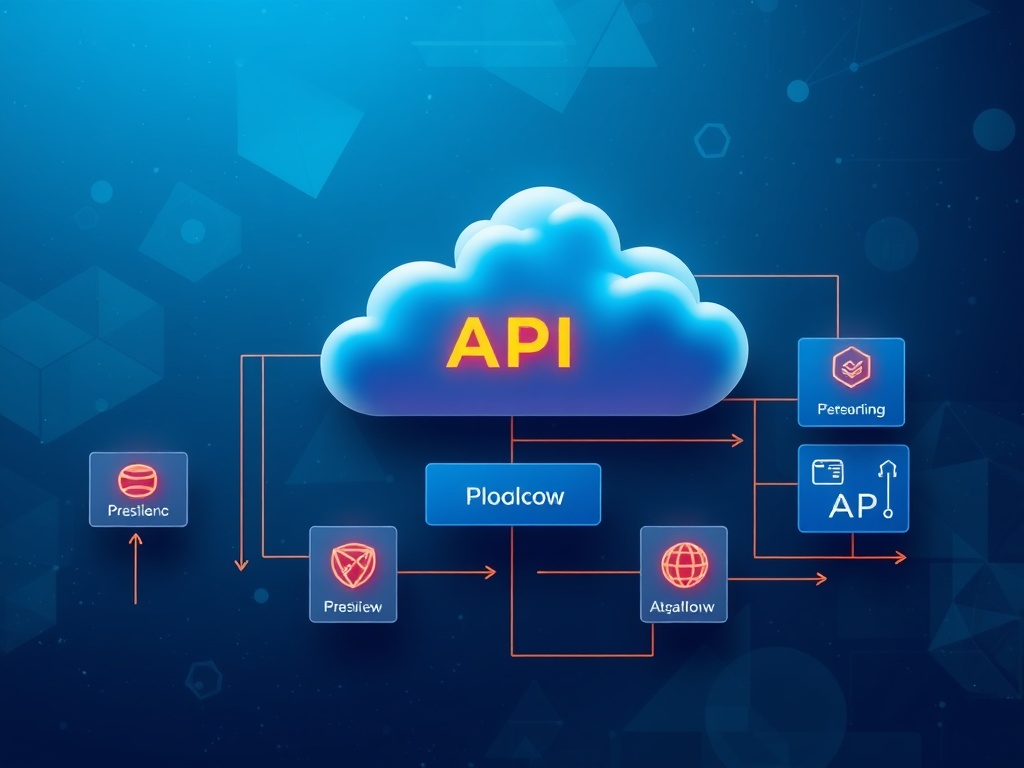
In today’s software-driven world, APIs are the backbone of modern development. They allow different software components to communicate with each other, enabling seamless integration and scalability. This guide will walk you through the steps to design a robust API that can handle large amounts of traffic, offer high performance, and provide flexibility for future enhancements.
Step 1: Define Clear API Goals
The first step in building any API is to clearly define its purpose. Whether it’s for internal use, third-party integrations, or both, having clear objectives is critical. Define the following:
- Who will use the API?
- What data or functionality will it expose?
- What platforms will the API support?
Step 2: Choose the Right Architecture
API architecture determines how the API functions and interacts with other systems. Here are a few common architectures:
- REST (Representational State Transfer): Most widely used and works with HTTP methods like GET, POST, PUT, DELETE.
- GraphQL: A more flexible alternative to REST, allowing clients to request only the data they need.
- gRPC: A high-performance RPC framework that uses Protocol Buffers and works well in microservices environments.
Step 3: Secure Your API
Security is a major concern in API development. Protect your API from unauthorized access and ensure data integrity by implementing the following measures:
- Authentication: Use OAuth, JWT tokens, or API keys for secure access.
- Rate Limiting: Prevent abuse by limiting the number of requests per minute.
- Encryption: Use HTTPS to encrypt data in transit.
Step 4: Optimize for Performance
API performance is crucial for user experience. Slow responses can lead to dissatisfaction and increased abandonment rates. Here’s how to optimize your API:
- Caching: Cache common responses to reduce load on the server.
- Asynchronous Requests: Use background processes to handle time-consuming tasks like sending emails.
- Load Balancing: Distribute traffic across multiple servers to avoid bottlenecks.

Step 5: Document Your API
Good documentation is essential for developers using your API. Include the following:
- Endpoint Descriptions: Explain the purpose of each endpoint and how it works.
- Request and Response Formats: Provide sample requests and responses in JSON or XML.
- Error Codes: Clearly document error codes and their meanings.
Step 6: Monitor and Iterate
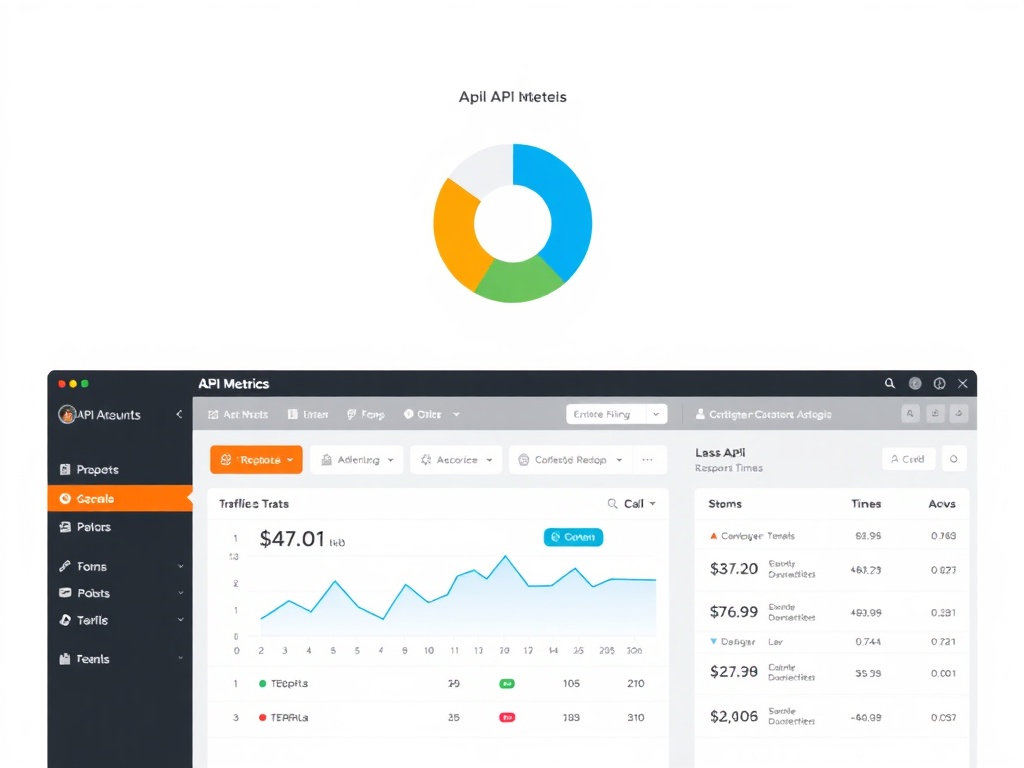
Once your API is live, continuous monitoring is crucial for long-term success. Track usage metrics, error rates, and performance. Based on the feedback, iterate on your API’s design and improve its functionality over time.
Conclusion
Building a robust API involves careful planning, secure practices, and a focus on performance. By following these best practices, you can ensure that your API is not only functional but scalable and easy to maintain. Start building your API today with these guidelines to ensure it’s ready for future growth.